
Last week we talked about how fear of the unknown can hold you back. In my opinion, fear of the unknown is overrated. The real fear, and the hardest to overcome, is fear of the known. Few things inhibit our ability to take a risk as much as an early bad experience. In these instances, you know all too well the consequences of a risk . . . and you’ve got the scars to prove it.
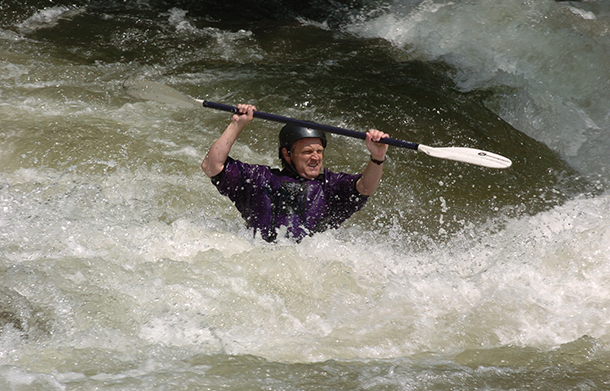
I used to be an avid whitewater kayaker. A few years ago, while paddling Tennessee’s famed Ocoee River, I got flipped upside down in a rapid affectionately known as “Grumpy.” Kayakers label rapids based on reputation, a linguistic expression of homage to man’s collective risk experience. Some names are friendly, like “Surprise” or “Cat’s Pajamas,” other names are more ominous, like “Decapitation Rock,” “Table Saw,” or “Witch’s Hole.” Grumpy got its name for a reason—this nasty hydraulic is as friendly as a grizzly bear with hemorrhoids. By obsessing solely about Grumpy’s dangerous consequences, I lost my composure and exited my kayak. In fast moving whitewater, the safest place to be is in your boat, even if you’re upside down. It is when you are orphaned from your boat that you are most exposed to rocks. As I bobbled up and down the fast river, I felt as if I was in a liquid pinball game, banging into rocks with every body part. By the time Grumpy was through trashing me, I was bruised all over.
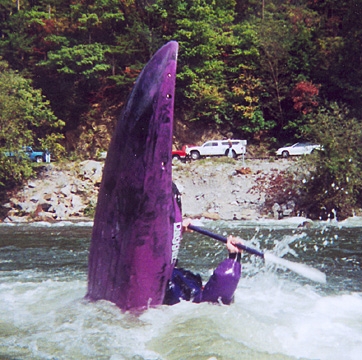
After my little brawl with Grumpy, whenever my buddies and I would go paddling, I would shamefully trudge my boat past Grumpy and enter the water farther downstream. Before long, years had gone by since the episode, but I was still trudging my boat past the rapid. I was in full fear of the known. Whereas the antidote to fear of the unknown is gaining knowledge, the antidote to fear of the known is a mixture of willful ignorance and focused attention. The truth was, unless I could stop mentally replaying the beating I had taken years earlier, I would never get past my fear of Grumpy. At the same time, I would have to pinpoint exactly what had gone wrong so that I could do it differently.
When I finally did paddle through Grumpy again, instead of thinking about all the things that could go wrong, I focused on the specific actions that I needed to take to successfully navigate the rapid. When you look at Grumpy in its entirety, it is incredibly intimidating. Water crashes onto boulders, rushes through narrow confluences, and circulates beneath undercut rocks. But successfully navigating Grumpy comes down to an intermediate ferry move. Ferrying is when you use the river’s current to move from one side of the river to the other while facing upstream. By focusing with laser-like attention on making the ferry move, and not on Grumpy’s tumultuous panorama, I was able to conquer the rapid and my fear too.
What fear of the known is holding you back?
Learn more about Giant Leap Consulting’s leadership programs: https://www.giantleapconsulting.com/services/leadership-development/
This story was adapted from my first book, Right Risk.